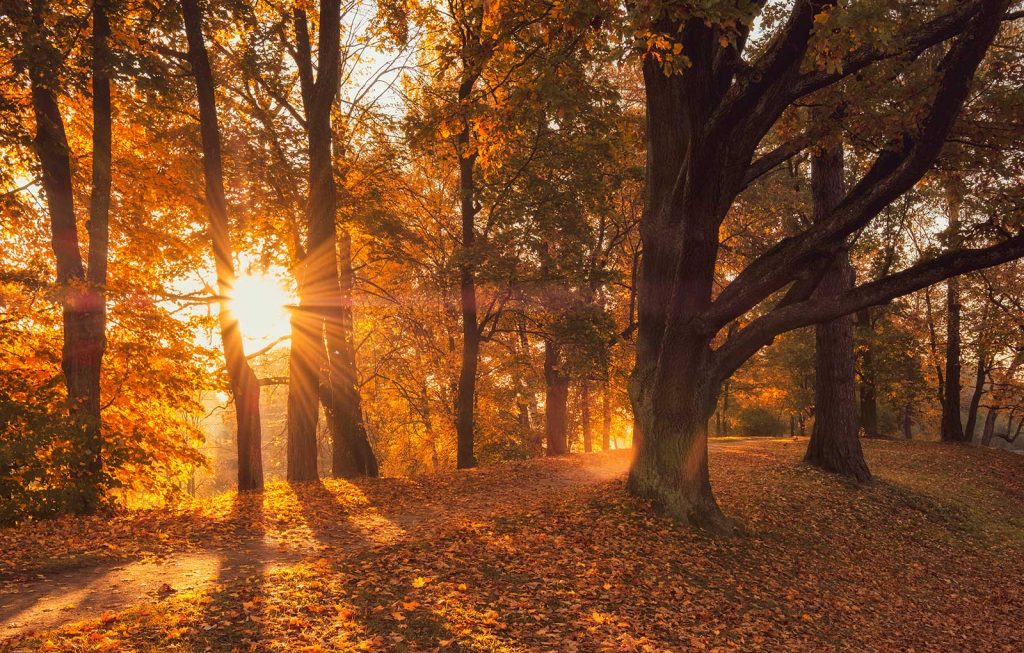
The Autumn Equinox
Folklore, Rituals & Seasonal Shifts
A Moment of Balance
Twice a year, the sun crosses the celestial equator and the hours of daylight and darkness are in near-perfect harmony. Today marks the autumn equinox, and the turning of the year towards longer nights and the slow descent into winter. Across cultures, across millennia, this moment has been seen as both an ending and a beginning — a time to gather in what has grown, give thanks, and prepare for the colder months ahead.
Rituals of the British Isles
Here in Britain, the equinox was deeply tied to the agricultural year. Though little is written down from pre-Christian times, the cycles of sowing and harvest shaped both practical life and spiritual imagination.
- Harvest festivals: Communities gathered to bring in the last of the crops. Celebrations included feasting, music, and giving thanks for the year’s bounty.
- Bonfires and light: Fire marked the shift of seasons. In some regions, fires were lit to honour the waning sun and to symbolically carry its light into the dark months.
- Stone circles and alignments: Ancient sites like Stonehenge and Callanish were built with solar alignments. Though most famously associated with the solstices, equinox sunrise and sunset alignments are also found, suggesting that balance of light and dark was observed by our ancestors.
- Offerings and gratitude: Folklore speaks of leaving part of the harvest in the fields for the spirits of the land — a gesture of respect to ensure fertility for the year ahead.
Across the British Isles, it was once common to leave a portion of the harvest in the fields. This was often called the “last sheaf” or the “neck.” Farmers might weave it into a figure or doll, or simply leave it standing in the earth. The belief was that the spirit of the crop — sometimes imagined as the Corn Mother, Barley Spirit, or the “Old Man” of the field — needed a place to dwell through the winter. By leaving an offering, people honoured the land and ensured that the fields would remain fertile and generous the following year.
Sometimes the last sheaf was carried home in procession, decorated, and kept in the farmhouse until spring sowing, when its seeds might be mixed back into the soil. Other times it was left where it grew, food for the birds and a symbolic “thank you” to nature.
As with many traditions, this practice combined the practical and the sacred: it fed wildlife, returned seeds to the soil, and embodied gratitude to nature for the harvest.
Even today, echoes of these traditions remain in village harvest festivals, church services decorated with grain and apples, and the sharing of food with community.
Equinox Around the World
While our ancestors in Britain were feasting and giving thanks, other cultures marked the equinox in their own ways. In Japan, the festival of Higan is a time to visit family graves and reflect on balance and harmony. Among many Native American peoples, the equinox signalled the turning of the year with ceremonies of gratitude and preparation for winter. In Mexico, crowds still gather at Chichén Itzá to watch the serpent of light descend the pyramid of Kukulkán at sunset. Wherever you look, the equinox is celebrated as a turning point — a hinge of the year.
Celebrating Today
You don’t need a stone circle or a feast hall to celebrate the equinox. Simple rituals can root us in the same rhythms:
- Take a walk to notice the changing light and colour of the trees.
- Share a meal with family or friends, featuring autumn produce — apples, blackberries, squashes.
- Light a candle at sunset, as a symbol of carrying light into the darker half of the year.
- Ask children (or yourself): What am I thankful for? What do I want to carry forward into winter? What can I let go of now?
Turning the Wheel
The equinox reminds us that the year is always turning, that endings and beginnings are intertwined. As the nights draw in, we can be grateful for what the earth has given us this year and look forward to what nature has in store — the turning of the leaves, breath in the chilly morning air, and cosy nights by the fireside.