Samhain
Welcome to our series on Samhain, the ancient festival that gave rise to what we now know as Halloween. Rooted in the land and the turning of the seasons, Samhain marks the threshold between light and dark, summer and winter.
Over the coming weeks we’ll explore the myths, stories, and traditions that surround this time of year, along with practical ideas and session plans to help bring them to life outdoors.
Our first piece is The Story of Samhain — an introduction to the folklore and meaning of this powerful festival.
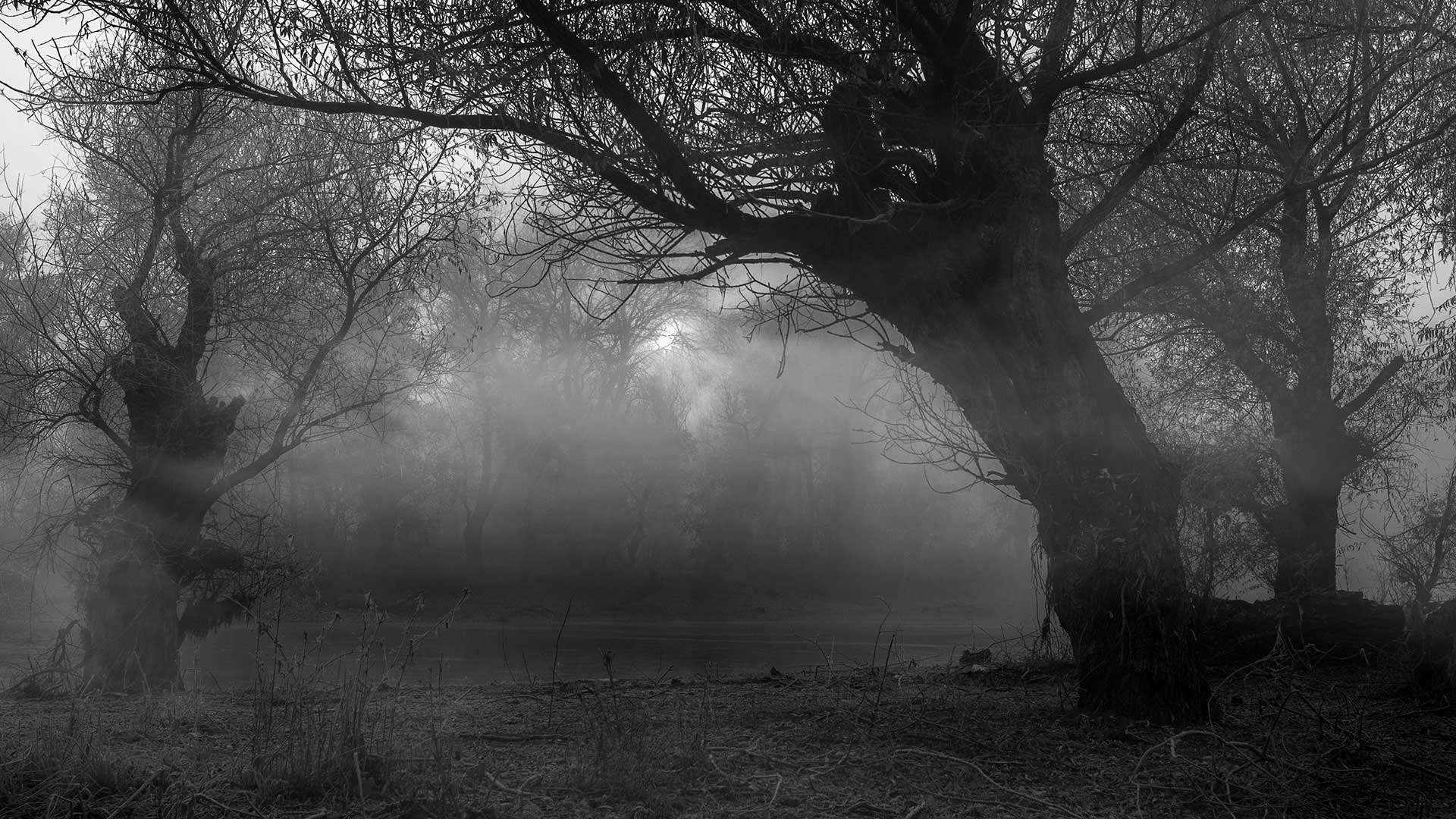
Come the end of the season, there is a noticeable change in the air. The golden, thick light of summer is gone, replaced with the thin and silvery announcement of winter. The year pivots from abundance to scarcity, with darkness dominating the land. The people gather for the festival of Samhain (pronounced “SOW‑in”).
The world looks a very different place. Its inhabitants did not see the earth as functional and inert but alive and conscious. Our ancestors lived in harmony with the land. They saw it as a living, breathing, powerful force, that humans were not the masters of the world but a small part of a much larger whole.
They saw the world divided into two halves: the land of the mortals and the otherworld, called the Sídhe (pronounced “shee”). This was a parallel world of vibrance and eternal youth, kept just beyond the human senses. Amongst other beings, the Aos Sí (pronounced “ees shee”) lived there. They were powerful beings – ancestors, old gods and fairy folk combined. They were not evil but were unpredictable, with a strong moral code that mortals dare not cross.
The festival of Samhain was one of the most important times of the year. It marked the end of summer: cattle were driven down from the hills, the last harvest was gathered, and winter arrived. The people alive at the time believed that at Samhain the boundary between the mortal realm and the Sídhe became thinner and allowed the spirits to cross over. This was important because it allowed the ancestors to cross back into the land of the living, but it was not without danger. The weakening of the bridge between worlds also allowed more malevolent forces in. The Sluagh (pronounced “SLOO-ah”) were a band of restless souls, shut out from the Sídhe and forced to roam the land with no home, who tried to capture the souls of the living.
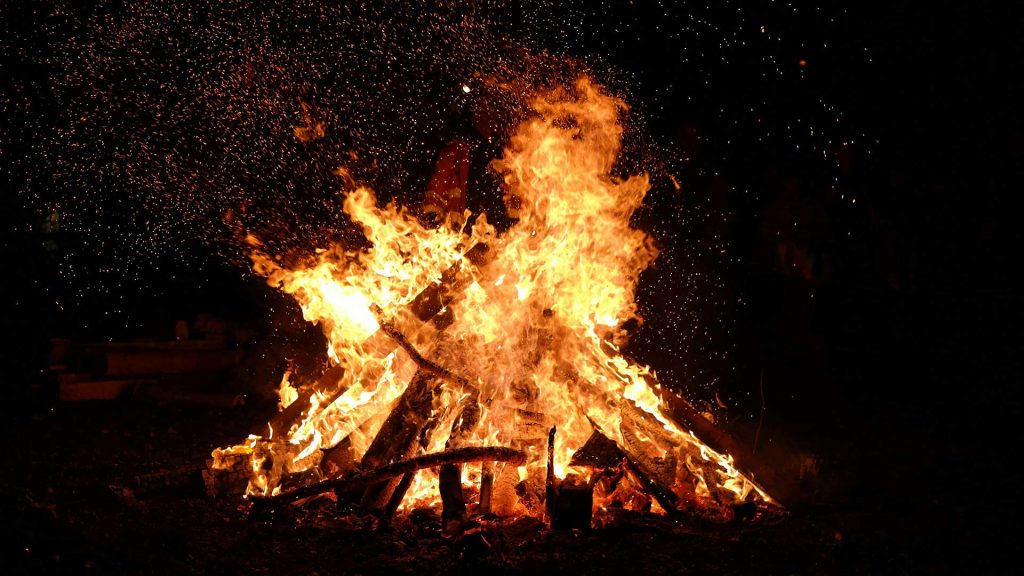
Samhain was both a gathering of community, a protective ritual and a deeply personal, private time. In the villages huge fires would be lit, and all households would extinguish their own hearth fires. They would then relight their flames from the communal blaze, a fresh crackle of wood in the hearth, to unify the people and to purify their homes, as the new fire was a reset for the winter. Fire warded off the Sluagh and other malevolent forces, so the most dangerous time was between the old fires being extinguished and the new fires being lit in the houses. To combat this, masks and disguises were worn to trick the spirits. The disguises also served another purpose: bands of villagers in costume would knock on doors and, in exchange for a song, a poem or a story, receive some food or drink. With the barrier between worlds so thin and the night so dangerous, the mischief brought the community together.
The night was full of divination rituals, with young people trying to see into the future to find out who they would marry. When bobbing for apples, it was thought that the first one to succeed would be the first to marry in the coming year. Another rite involved a young woman peeling an apple in one continuous strip, then swinging the peel around her head and letting it fall to the floor. The shape it made was supposed to form the initial of her future husband.
The celebrations ended with a meal known as the Dumb Supper. A place was set with the finest food and drink the family could manage, and this place was not to remain empty. It was prepared for the ancestors to join the living. The family ate in total silence, listening for every rustle and every creak to let them know that their dead had joined them.
As the dawn breaks, the veil thickens for another year, the reborn fire burns in the hearth and winter’s long night begins in earnest.
Notes
The understanding of the seasons and the turning of the year developed gradually from around 4000–800 BCE, but the festival of Samhain itself likely took shape during the Early Celtic or Iron Age period (c. 800 BCE–100 CE). This was contemporary with the rise of the Roman Empire, though its origins lay firmly in the culture of the Celtic peoples of Ireland and Scotland — regions that Rome never conquered.