Mentorship in Mixed-Age Learning
When Matt was coaching under 7s football, our son Buddy often helped out with the younger children. They watched him closely, copying his moves, asking him how to do certain skills, and occasionally it all ended in utter chaos. But beneath the noise, something else was happening. The younger children clearly looked up to him and saw him as a guide. Giving him the chance to run a drill or referee a game gave him a sense of responsibility and taught him how to manage and support others, while giving the little ones the chance to learn from someone closer to their own experience. The adults noticed his effort and easy way with the boys, praising him, telling him how kind and helpful and grown up he was, and he walked away a little more confident in himself each time.
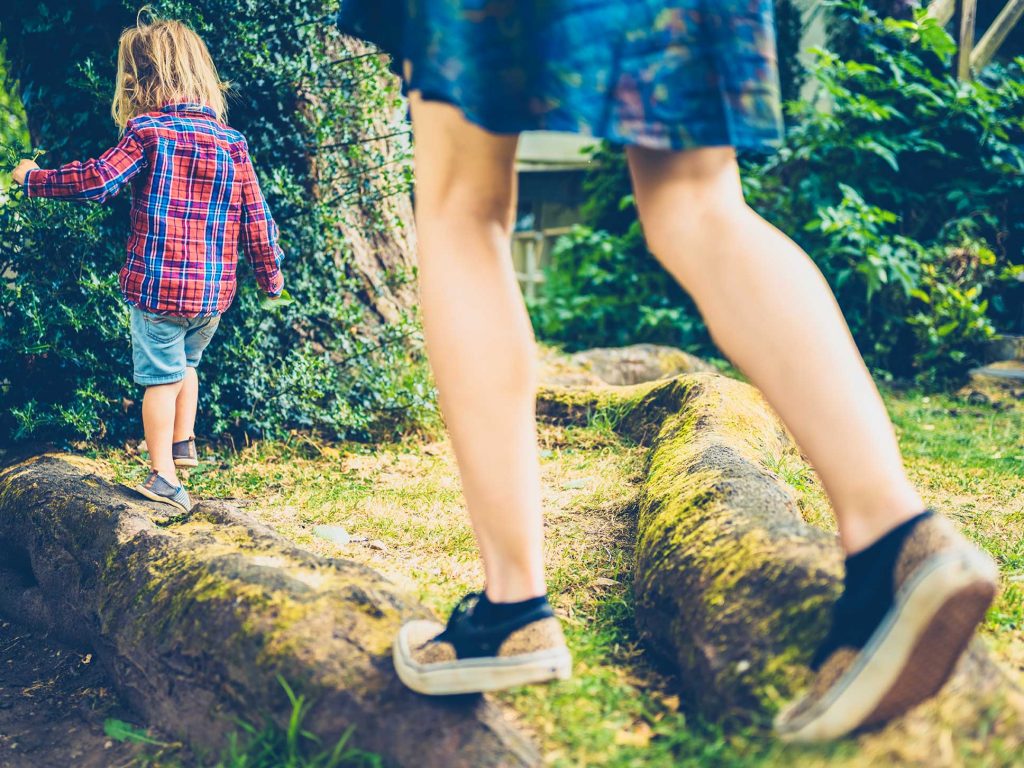
This translates just as well to Forest School as it does to football. When different ages learn side by side, mentorship happens naturally. It doesn’t need to be formal. A hand offered, a word of encouragement, a new idea demonstrated — these small interactions carry big weight.
What Younger Children Gain
- Role models they can relate to. Older peers feel close enough to copy, but far enough ahead to inspire.
- Confidence to try. If the “big kid” can climb, balance, or kick the ball, maybe they can too.
- Social and language growth. They hear richer vocabulary, learn how to share ideas, and practice joining in.
What Older Children Gain
- Self-worth. Being seen as “the helper” shows them they have something valuable to give.
- Emotional growth. Patience, empathy, and adaptability bloom when they guide younger peers.
- Confidence. Praise from adults and admiration from younger children feed back into a stronger sense of self.
- Permission to be playful. Mentoring younger children gives them space to be a bit silly, to step out of the expectations of school, and reconnect with the joy of play.
Research backs this up: studies on Forest Schools and mixed-age early years settings consistently find that children thrive socially and emotionally when they learn across age groups. Younger children are pulled up by the example in front of them; older ones stretch and grow into responsibility and empathy.
Actionable Steps for Mentorship Outdoors
- Pair Up Intentionally – Buddy systems (nothing to do with our son!) for den-building, scavenger hunts, or campfire tasks.
- Rotate Roles – Let older ones run a game, show a skill, or help manage equipment.
- Praise the Helping, Not Just the Doing – Highlight kindness and support as much as achievement.
- Keep Activities Open-Ended – Natural crafts or free play spark organic mentoring moments.
- Reflect Together – End with a circle where children share what they learned from each other.
- Make Space for Playfulness – Plan occasional games where older children can let themselves be silly alongside younger ones. It reminds them that guidance doesn’t mean losing their sense of fun, and it helps both ages connect on a more relaxed level.
Mixed-age mentorship isn’t about turning children into “mini-teachers.” It’s about giving space for learning in both directions. When we let that happen, we see more than skills developing — we see confidence, empathy, and relationships flourishing too.