Stories written in the earth
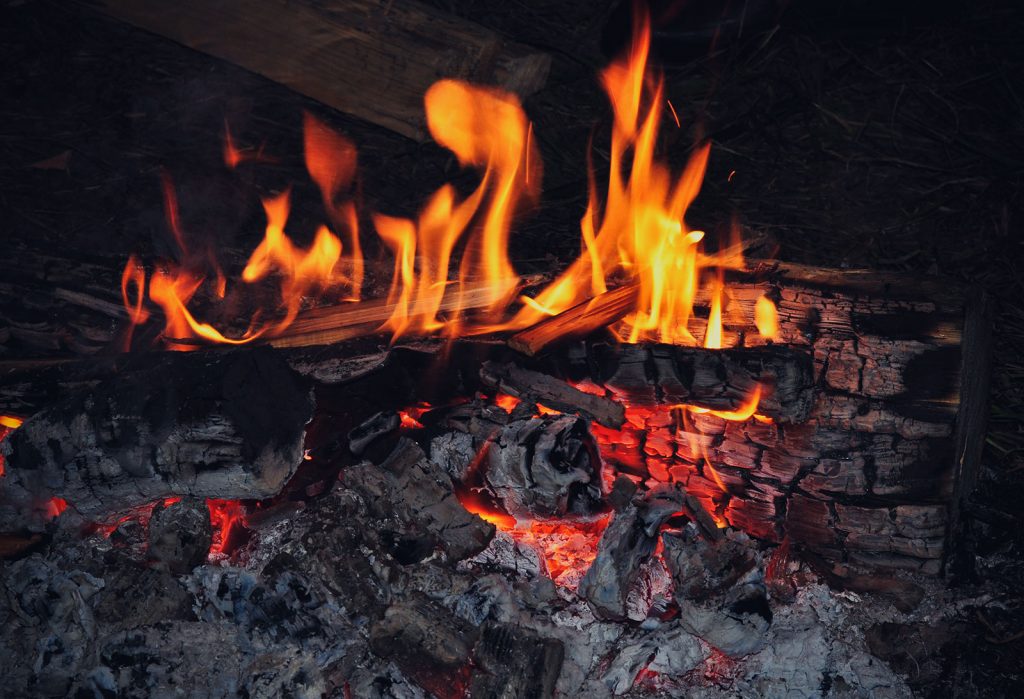
Before screens, before classrooms, before books, human beings learned through stories. Around the fire, on long journeys, or gathered in the fields, people shared tales to explain the seasons, to warn of dangers, to pass on values. Storytelling was education, entertainment, and moral compass all in one.
In Britain, much of that storytelling was rooted in the land itself. The changing year was not just a cycle of light and dark, sowing and harvest — it was a drama, played out in myth and folklore. The stag in Windsor Forest was not just an animal but part of Herne the Hunter’s restless legend. The oak, ash and thorn were not just trees but doorways into another world.
For centuries, these stories offered children and adults alike a way to understand the world around them. The stars were mapped into tales, rivers carried the memory of gods and giants, and birds were messengers of luck or fate. They taught respect for nature, explained the unexplainable, and held communities together.
These stories are as old as time, passed down from generation to generation, changing and adapting to the age, but remaining, at their core, the same.
They explain what it means to be a human. They teach us about love and loss, about dark and light, and how to live in balance with the land. Classrooms teach facts, but these older stories teach us how to orient ourselves in the world: with courage, imagination, and a sense of belonging.
Learning in nature today gives us a chance to reconnect. When children sit beneath trees and hear the story of how the wren outwitted the eagle to become king of the birds, they aren’t just entertained — they are learning about resilience, resourcefulness, and the life of the birds above them.
When we tell the tale of the Green Man, hidden in leaves and carved in old churches, we are passing on something deeper than history: a sense that the human story and the story of the natural world are bound together.
Storytelling in outdoor learning is more than an “add-on.” It is a bridge. A bridge between the curriculum and lived experience. Between imagination and ecology. Between our modern children and the long line of humans who once sat around fires telling tales of why the seasons change, why the owl calls at night and why the oak stands strong through winter storms.
In a time when nature can feel distant, and stories are often packaged in pixels, weaving myth and folklore into outdoor learning helps young people locate themselves in something older, wider, and wiser. It roots us back into the land — and reminds us that every leaf, bird, and breeze carries a story worth telling.